Filming Guide
Location Permits and Image Rights Guide
Filming outdoors, especially in high-traffic areas like Chuo-ku, Sapporo, involves more than just pressing record. From road usage permits to respecting the image rights of passersby, understanding the legal landscape is critical to avoiding disputes and ensuring a professional production.
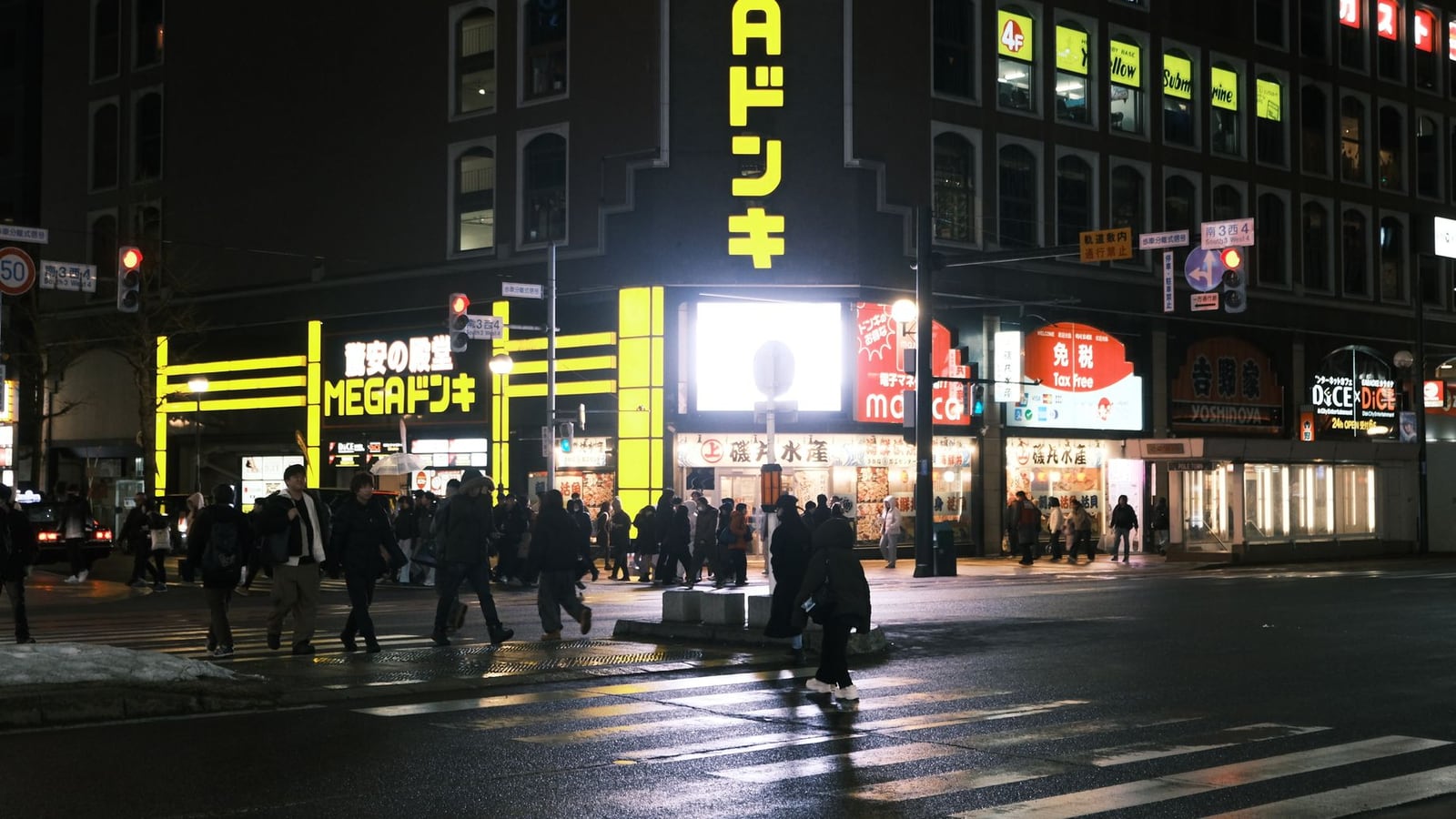
To create a high-quality visual piece, stepping out of the studio for location shooting (on-location) is often essential. However, filming in public spaces or on private property requires strict adherence to Japanese laws and local ordinances. Particularly for creative projects like music videos, where bold direction is key, filming without prior authorization can lead to police intervention or conflicts with property managers.
This guide focuses on the specific requirements for filming in Chuo-ku, Sapporo, detailing the application processes and rights management that production teams must handle responsibly.
1. The Necessity of Road Usage Permits
Under the Road Traffic Act, a "Road Usage Permit" (Doro Shiyo Kyoka) is required if you plan to set up tripods, use large lighting rigs, or occupy any part of the public thoroughfare. While handheld filming while walking is often overlooked as long as it does not obstruct traffic, any stationary equipment installation is a clear requirement for a permit.
In the Chuo-ku area of Sapporo—particularly around Odori Park and the Underground Pedestrian Space—police patrols are frequent. Unauthorized equipment setup is likely to be flagged immediately. Applications must be filed at the local police station (such as the Sapporo Chuo Police Station), providing detailed information on the date, time, exact location, number of staff, and equipment list.
2. Private Property and Commercial Facility Permissions
When filming in front of stores, inside buildings, or on private land, you must obtain consent from the owner or manager. Even if you are "only filming from the outside," it is industry standard to seek permission if store signs or interior details are prominently featured in the shot.
When requesting permission, we recommend presenting a formal "Filming Request Document" containing the following:
- The purpose of the shoot (commercial use, website publication, etc.)
- Specific dates and duration of the shoot
- Scale of equipment (use of lights, reflectors, etc.)
- The intended range of the shot and how the footage will be used
3. Managing Image Rights and Publicity Rights
The most common source of legal friction in on-location shoots is "image rights" (Shozoken). If a passerby is clearly identifiable in the background of a published video, there is a risk of privacy infringement claims, requests for removal, or damages.
For commercial videos, it is mandatory to have all primary subjects sign a "Model Release Form." This document clarifies which media the footage will appear in, the duration of use, and the purpose of the video, preventing disputes after the project is delivered.
4. Sapporo Chuo-ku Filming Checklist
| Requirement | Necessary Action | Notes |
|---|---|---|
| Equipment on public roads | Road Usage Permit (Police Station) | Mandatory for tripods/lighting |
| Private land/Store interiors | Written consent from owner/manager | Request form specifying purpose |
| Cast/Subject rights | Collection of Release Forms | Keep signed originals on file |
| Background pedestrians | Blurring or angle adjustment | Avoid identifiable individuals |
| Neighborhood courtesy | Advance notice or greeting | Prevent noise/traffic obstruction |
5. Technical Techniques to Avoid Legal Issues
Since obtaining consent from every single person in a crowded Sapporo street is practically impossible, professional crews use technical strategies to mitigate risk:
- Depth of Field Adjustment: Using a wide aperture to create a shallow depth of field, blurring the background so individuals cannot be identified.
- Strategic Angling: Filming from behind subjects or choosing compositions that naturally exclude pedestrians.
- Post-Production Processing: Applying mosaics or Gaussian blurs to unidentified persons during the editing phase.
6. Production Flow and Rights Summary
Success in on-location shooting is 80% preparation (scouting and permits). Especially for projects like Music Video Production, where visual impact is paramount, choosing a bold location is key, but it must be balanced with meticulous rights management.
If you are unsure which permits are required for your specific vision or need professional location management staff, please feel free to consult our team.
Frequently Asked Questions about Location Shoots
What happens if I upload footage to social media without a permit?
How long does it take to get a Road Usage Permit?
Beyond location management, if you want to learn more about the efficient flow of video production, please read our guide on Creating a Company Profile Script in One Day.
For detailed quotes or specific location suggestions in Sapporo, we look forward to hearing from you via our Contact Form.